Flower Bed Creation in Gipsy Hill: Beautiful Outdoor Spaces That Thrive All Year
Why Flower Bed Creation in Gipsy Hill Matters

Flower bed creation in Gipsy Hill is one of the most effective ways to transform an ordinary outdoor area into a space filled with colour, texture, and seasonal interest. Whether you have a compact front garden, a larger rear border, or a narrow side strip that needs life, a thoughtfully planned flower bed can make a dramatic difference. In a neighbourhood like Gipsy Hill, where homes often benefit from attractive curb appeal and well-kept greenery, the right planting design can lift the entire look of a property.
A successful flower bed does more than look pretty. It helps define outdoor spaces, softens hard landscaping, supports pollinators, and creates a welcoming feel for visitors and residents alike. Flower bed creation in Gipsy Hill should be tailored to local conditions, including soil type, available sunlight, wind exposure, and the architectural style of the property. When those elements are balanced correctly, the result is a border that feels natural, polished, and easy to enjoy throughout the seasons.
Many homeowners assume that a flower bed simply means adding plants to soil, but the process is far more strategic. It starts with understanding the space, choosing a layout, improving the ground, and selecting plants that will flourish rather than struggle. Done well, flower bed creation in Gipsy Hill can improve drainage, reduce maintenance, and increase biodiversity, all while giving the garden a fresh and inviting appearance.
Planning a Flower Bed That Suits Your Gipsy Hill Garden
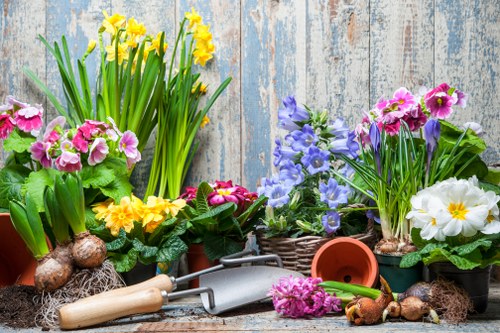
Before any digging begins, careful planning is essential. The best flower bed creation in Gipsy Hill starts with a clear purpose. Do you want a colourful front border, a low-maintenance perennial bed, a wildlife-friendly planting scheme, or a statement feature around a patio or pathway? Each goal influences the size, shape, and plant selection of the final design.
It is also important to assess the available light. Some gardens in Gipsy Hill receive full sun for most of the day, while others are partially shaded by fences, trees, or neighbouring buildings. A bed that receives plenty of sunshine can support a wider range of flowering plants, while shadier spaces may need ferns, hostas, heucheras, or shade-tolerant shrubs to create structure and visual depth. The right plant in the right place is the key principle behind long-lasting success.
Consider how the flower bed will be viewed. A front garden border should often focus on curb appeal and neat lines, while a rear garden bed may be designed for relaxation, fragrance, or seasonal drama. Flower bed creation in Gipsy Hill should complement the property rather than compete with it. For example, a modern home may suit clean lines and a restrained planting palette, while a traditional terrace might benefit from softer, more layered borders.
Key Factors to Review Before You Start
When preparing for flower bed creation in Gipsy Hill, the following factors should be reviewed early:
- Sunlight exposure: Observe the area at different times of day.
- Soil condition: Check whether the ground is clay-heavy, sandy, compacted, or poor in nutrients.
- Drainage: Notice if water pools after rain or drains away too quickly.
- Bed size: Match plant choices to the proportions of the available space.
- Maintenance level: Decide whether you want a high-impact display or a low-effort border.
- Style preference: Choose between formal, informal, cottage-style, contemporary, or wildlife-led planting.
These early decisions help avoid costly changes later. Many homeowners find that a small amount of planning results in a much better outcome than simply planting on impulse. A well-structured flower bed can also be adapted over time, allowing you to introduce new colours, textures, and flowering periods as the garden matures.
For anyone considering flower bed creation in Gipsy Hill, it is worth thinking not only about immediate impact but also about what the border will look like in six months, one year, and beyond. A well-planned bed should continue to evolve and improve, offering structure in winter and vibrant interest in warmer months.
Preparing the Ground for Long-Term Success

Ground preparation is the foundation of any successful flower bed creation in Gipsy Hill. Without healthy soil and proper structure, even the most attractive plants may struggle. Start by clearing the area of weeds, old roots, stones, and debris. If the ground has been unused for a long time, it may need extra work to remove persistent weeds and compacted material.
Next, improve the soil by adding organic matter such as compost, well-rotted manure, or soil conditioner. This helps to feed plants, improve moisture retention, and encourage beneficial soil life. In many gardens, especially where the soil is heavy or depleted, this step can make a remarkable difference. Flower bed creation in Gipsy Hill often benefits from soil enrichment because it gives newly planted flowers a stronger start.
Drainage should also be considered. If the area tends to stay wet, raised beds or added grit may help. On the other hand, very dry soils may need mulching and water-retaining compost to keep moisture available during warmer periods. A properly prepared flower bed gives roots room to grow, prevents water stress, and reduces the chance of disease.
Soil Improvement Techniques That Make a Difference
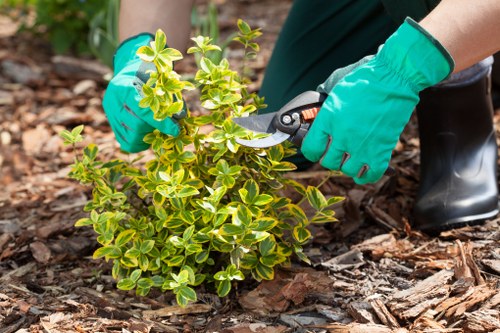
There are several effective ways to boost the quality of the ground before planting:
- Dig deeply: Loosen compacted soil so roots can spread more easily.
- Add compost: Mix in organic material to improve fertility and structure.
- Level the bed: Create a smooth, even finish before planting begins.
- Install edging: Use bricks, timber, or metal edging to keep the bed neat and defined.
- Mulch after planting: Apply bark, leaf mould, or decorative mulch to retain moisture and suppress weeds.
These measures support healthier growth and help the bed remain tidy through the seasons. For flower bed creation in Gipsy Hill, edging is particularly useful because it gives the design a crisp finish and makes mowing or trimming simpler. It also helps prevent grass from creeping into the planting area, which reduces future maintenance.
If you want the bed to look polished from day one, take time with the layout. Use a hose, string line, or simple marking paint to test the shape before digging. Curved borders can feel softer and more natural, while straight borders create a more formal impression. The shape should work with the garden rather than against it.
Choosing Plants for Flower Bed Creation in Gipsy Hill
Plant selection is where the personality of the flower bed truly comes to life. The best flower bed creation in Gipsy Hill uses a combination of plants that provide height, structure, colour, and seasonal continuity. Rather than focusing only on flowers, think about leaf shape, foliage texture, stem colour, and the way different plants work together over time.
Layering is usually the most effective approach. Taller plants or shrubs can sit at the back of the bed, medium-height perennials in the middle, and lower-growing plants or edging varieties at the front. This arrangement ensures that each plant is visible and that the bed has a balanced, attractive profile from the viewing angle most often used.
Seasonal planning is equally important. A border that looks beautiful in spring but sparse by late summer may feel unfinished. Flower bed creation in Gipsy Hill should aim for a succession of interest, with bulbs, spring perennials, summer blooms, autumn foliage, and evergreen structure all playing a role.
Popular Plant Choices for Local Beds
Depending on the conditions of the site, the following plants can work well in a Gipsy Hill flower bed:
- Lavender: Fragrant, drought-tolerant, and ideal for sunny spots.
- Salvia: Long-flowering and excellent for pollinators.
- Geraniums: Reliable perennials with extended flowering periods.
- Hydrangeas: Great for adding volume and bold seasonal colour.
- Roses: Classic and elegant, especially in traditional garden designs.
- Hostas: Useful for shaded areas with attractive foliage.
- Heucheras: Compact plants with colourful leaves and good texture.
- Alliums: Excellent for spring structure and visual interest.
- Peonies: Strong focal flowers with memorable seasonal impact.
Mixing plants with different flowering times ensures the border stays attractive for longer. It also helps the flower bed feel more dynamic and less predictable. A thoughtful combination of evergreen structure and flowering plants adds depth and keeps the design looking full even when some species are not in bloom.
For gardeners who want a more natural feel, meadow-style planting can be a good option. This type of flower bed creation in Gipsy Hill uses ornamental grasses, daisies, echinacea, and other pollinator-friendly species to create a relaxed, flowing appearance. It is especially effective in larger spaces or borders that benefit from movement and lightness.
Design Styles That Work Well in Gipsy Hill
There is no single correct style for flower bed creation in Gipsy Hill. The best design depends on the character of the property and the preferences of the homeowner. However, several styles tend to work particularly well in local gardens.
Formal beds often use symmetry, clipped edges, and structured planting. These beds suit classic homes and front gardens where neatness is important. A formal border may include evergreen shapes, standard roses, and neatly grouped flowering plants to create a refined look.
Cottage-style beds are softer and more abundant. They feature a mix of colours, textures, and plant heights, often with a romantic and slightly informal feel. This style works beautifully when the aim is to create a lush, welcoming garden with plenty of seasonal charm.
Contemporary and Wildlife-Friendly Options
Contemporary flower beds tend to use bold shapes, limited colour palettes, and architectural plants. Grasses, alliums, spiky salvias, and clean edging can create a modern appearance that feels stylish and uncluttered. This approach is ideal for properties with minimalist exteriors or newly designed outdoor spaces.
Wildlife-friendly beds are increasingly popular because they support bees, butterflies, and other beneficial insects. This style includes nectar-rich flowers, varied bloom times, and seed-producing plants that feed birds later in the year. Flower bed creation in Gipsy Hill can be both beautiful and environmentally supportive when it prioritizes biodiversity.
Many gardens combine elements from several styles. For example, you might choose a formal shape but fill it with soft, wildlife-friendly planting. Or you may prefer a contemporary layout with bursts of seasonal colour. The key is consistency in the overall vision so the bed feels intentional and harmonious.
Maintenance Tips for Healthy, Attractive Flower Beds
Even the best-planned flower bed creation in Gipsy Hill will need ongoing care. Fortunately, regular maintenance does not have to be difficult if the bed is designed properly. Simple tasks carried out consistently can keep the planting healthy and attractive all year long.
Watering should be adapted to the needs of the plants and the weather. Newly planted borders require more frequent watering until the roots are established, while mature beds may only need extra attention during dry spells. Early morning watering is often best because it reduces evaporation and allows leaves to dry during the day.
Weeding is another important part of upkeep. Small weeds are much easier to remove than large, established ones, so regular checks are worthwhile. Mulching helps reduce weed growth while also conserving moisture and improving the appearance of the bed. If the bed begins to look crowded, dividing perennials or trimming back vigorous species can help maintain balance.
Seasonal Care for Year-Round Appeal
To keep flower bed creation in Gipsy Hill looking its best throughout the year, think seasonally:
- Spring: Remove winter debris, feed the soil, and plant fresh bulbs or annuals.
- Summer: Deadhead flowers regularly and check watering needs during dry weather.
- Autumn: Cut back tired growth where needed and add mulch for winter protection.
- Winter: Keep evergreen structure visible and clear fallen leaves from the bed.
This rhythm keeps the border healthy and visually appealing. In colder months, a well-designed bed should still offer shape, texture, and interest, even when flowering is limited. That is why evergreen shrubs, grasses, and architectural perennials are so valuable in flower bed creation in Gipsy Hill.
Practical maintenance is not about constant work; it is about consistent, well-timed care. With the right plant choices and a good design, upkeep can be manageable and rewarding rather than overwhelming.
How Flower Bed Creation Improves Kerb Appeal and Lifestyle
One of the biggest benefits of flower bed creation in Gipsy Hill is the improvement it brings to kerb appeal. A tidy, colourful border can make a property appear more cared for, more welcoming, and more attractive overall. This matters whether you are enhancing a family home, refreshing a rental property, or simply wanting to enjoy a more beautiful everyday view.
There are also lifestyle benefits. Being surrounded by plants can improve mood, support relaxation, and create a stronger connection to the outdoors. A flower bed near a seating area can become a place to pause and enjoy morning coffee, while a front border can bring pleasure every time you return home. Gardens are not only decorative; they are part of how we experience home.
In addition, flower bed creation in Gipsy Hill can support a more sustainable garden. Well-chosen plants may need less water, attract helpful pollinators, and provide shelter for wildlife. When done responsibly, the bed becomes part of a healthier outdoor ecosystem rather than just an ornamental feature.
Common Mistakes to Avoid
To get the best results from flower bed creation in Gipsy Hill, it helps to avoid several common mistakes. One of the most frequent is overcrowding. It is tempting to fill every gap with plants, but overcrowding can limit airflow, increase disease pressure, and make future maintenance harder. Giving each plant enough room allows it to grow naturally and maintain its shape.
Another mistake is choosing plants without considering the conditions. A sun-loving plant placed in deep shade will likely struggle, while a moisture-loving plant in a dry border may underperform. Matching the plant to the site is more effective than trying to force a design that does not suit the space.
It is also unwise to ignore soil preparation. Poor soil leads to weak growth, while a well-conditioned bed supports stronger roots and healthier flowers. Skipping edging or mulch can also make the bed harder to maintain and less polished in appearance. Taking the time to do the foundational work properly saves effort later.
Keeping the Design Balanced Over Time
Balance is important in any flower bed creation in Gipsy Hill project. A border should not become too heavy on one side, too tall in one area, or too limited in colour. Repeating certain plants through the bed can create rhythm and unity, while a few standout specimens can provide focal points.
As the years pass, some plants may grow larger than expected or spread more quickly than planned. Regular review helps you maintain the design. You may need to prune, divide, relocate, or replace plants to preserve the original balance. This is a normal part of garden development and should be seen as an opportunity rather than a problem.
Many homeowners find that the most successful beds are the ones that evolve gradually. A border can start with a core planting plan and then expand with new varieties, seasonal bulbs, or additional texture. Flower bed creation in Gipsy Hill becomes especially rewarding when the bed matures into a layered, living feature that reflects both the garden and the people who care for it.
Final Thoughts on Flower Bed Creation in Gipsy Hill
Flower bed creation in Gipsy Hill is an investment in beauty, function, and long-term enjoyment. With thoughtful planning, solid ground preparation, and carefully selected plants, any garden can be transformed into a space that feels welcoming and alive. The best beds are those that suit the property, respond to local conditions, and offer interest across the seasons.
Whether you prefer a formal front border, a relaxed cottage-style display, or a wildlife-friendly planting scheme, the process begins with understanding the site and choosing the right approach. Small details such as edging, mulch, height variation, and seasonal structure all contribute to the final result. When these elements come together, the flower bed becomes more than a planting area; it becomes a defining feature of the garden.
If you are ready to improve your outdoor space, now is the perfect time to start planning. Contact us today to discuss your ideas, explore design options, and take the next step toward a vibrant garden transformation. Book your service now and enjoy the benefits of professionally planned flower bed creation in Gipsy Hill.

