Landscape Gardening in Gipsy Hill: Creating Beautiful Outdoor Spaces That Work Year-Round
Landscape gardening in Gipsy Hill is about much more than planting flowers and trimming hedges. It is the art of shaping outdoor space so it feels inviting, practical, and visually balanced throughout the seasons. In a place like Gipsy Hill, where homes, streets, and gardens often vary in size and style, thoughtful landscaping can transform even a modest plot into a space that feels calm, welcoming, and full of character.
Whether you want a low-maintenance front garden, a family-friendly back garden, or a stylish outdoor entertaining area, landscape gardening in Gipsy Hill can bring those ideas to life. By combining planting design, hard landscaping, and careful planning, homeowners can create gardens that suit modern living while still reflecting personal taste. The key is to design with purpose, not just decoration.
Local conditions matter too. Soil type, light levels, drainage, and the layout of nearby properties all influence how a garden should be planned. That is why successful Gipsy Hill landscape gardening often begins with observation: how the space behaves in summer, how much shade it receives, where water gathers after rain, and how the garden connects to the home. These details help shape decisions that lead to long-lasting results.
Why Landscape Gardening in Gipsy Hill Adds Real Value
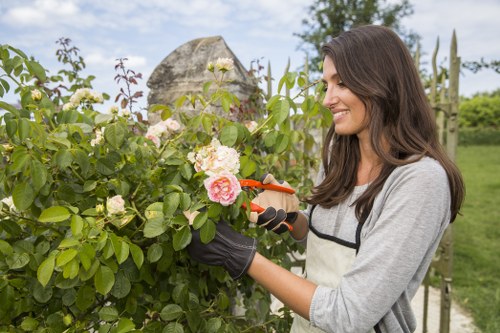
A well-designed garden can do far more than improve appearance. It can make a home easier to enjoy, increase usable space, and create a stronger connection between indoors and outdoors. For many homeowners, landscape gardening in Gipsy Hill is also a smart investment because attractive, well-kept outdoor areas often improve curb appeal and make properties feel more complete.
In urban and suburban settings, gardens often need to work hard. They may need to provide a quiet retreat, a place for children to play, storage for bins or bikes, and an attractive view from kitchen or living room windows. With thoughtful landscape design, these practical needs can be blended with beauty. That is what makes landscape gardening so effective: it turns everyday outdoor space into something purposeful and enjoyable.
There is also a lifestyle benefit. A garden that suits your routine can encourage more time outdoors, more relaxed entertaining, and greater appreciation of nature. Even small changes, such as adding structured planting, a seating area, or a neat path, can dramatically improve how the space feels. When done well, landscape gardening in Gipsy Hill becomes a way of improving daily life, not just the garden itself.
Planning Landscape Gardening in Gipsy Hill the Right Way
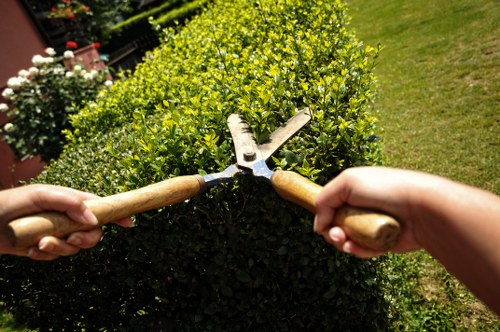
The most successful gardens usually start with a clear plan. Before choosing plants or materials, it helps to think about how the space will be used. Do you want a peaceful place to sit in the evening? A lawn for children or pets? A low-maintenance design that still looks polished? Answering these questions early makes landscape gardening in Gipsy Hill more efficient and more satisfying.
Good planning also involves considering the existing features of the site. Trees, fences, sheds, slopes, and patios all affect the final design. Some people prefer to work with what already exists, while others want a complete transformation. In either case, a practical design approach can help create a garden that looks cohesive rather than pieced together.
Key planning points for Gipsy Hill gardens include:
- Assessing sunlight and shade throughout the day
- Understanding drainage and soil conditions
- Deciding how much maintenance you can realistically manage
- Choosing between soft landscaping and hard landscaping features
- Planning for privacy, storage, and year-round use
Taking time at the start can save effort later. A well-planned garden is easier to maintain, better suited to the property, and more likely to age gracefully. That is why planning is one of the most important stages in landscape gardening in Gipsy Hill.
Soft Landscaping Ideas That Bring Gipsy Hill Gardens to Life

Soft landscaping refers to the living elements of the garden, including plants, lawns, hedges, trees, and flower beds. These features bring movement, colour, texture, and seasonal interest. In landscape gardening in Gipsy Hill, soft landscaping is often used to soften edges, improve privacy, and create a welcoming atmosphere.
Plant selection should suit both the style of the garden and the local growing conditions. For example, compact shrubs, ornamental grasses, climbers, and perennial plants can provide long-lasting structure with relatively manageable upkeep. If your garden has areas of deep shade, plants that tolerate lower light levels will perform far better than sun-loving varieties. Likewise, if the garden is dry or exposed, drought-tolerant planting may be the smarter choice.
Seasonal variety is another important consideration. A garden that looks good in spring but sparse in winter will feel incomplete. Instead, mixing evergreen planting with flowering species ensures the space has interest all year. In Gipsy Hill landscape gardening, this balance often creates the most rewarding results because the garden remains attractive in every season.
Popular soft landscaping elements
Some of the most effective soft landscaping features include:
- Layered planting beds with tall, mid-height, and low-growing plants
- Neat hedges for privacy and definition
- Lawns that create open, usable space
- Climbing plants for fences, pergolas, and walls
- Ornamental trees that add shape and height
When chosen carefully, these features create a garden that feels both structured and natural. That balance is central to successful landscape gardening in Gipsy Hill.
Hard Landscaping for Structure, Function, and Style
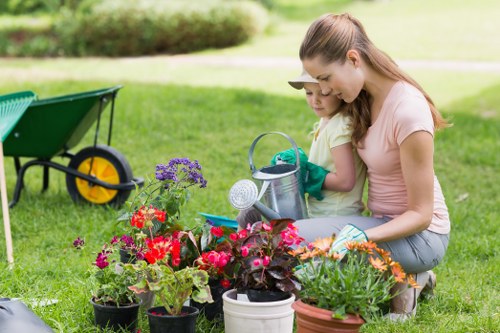
Hard landscaping includes the non-living parts of the garden, such as paving, decking, retaining walls, paths, edging, steps, and seating areas. These elements shape how the space works and how people move through it. In many landscape gardening in Gipsy Hill projects, hard landscaping provides the backbone that allows planting to shine.
Paths and patios can make a garden feel more accessible and organised. A well-positioned patio creates a natural place to sit and relax, while a path can guide visitors through the space and connect different areas. Retaining walls can solve level changes, improve drainage, and introduce planting terraces. These features are not only practical; they also create strong visual lines that bring order to the garden.
Material choice matters as much as layout. Natural stone can bring warmth and timeless appeal, while porcelain paving offers a sleek, modern finish. Timber decking creates a softer feel and works well in social areas. Brick edging or gravel paths can suit more traditional properties. The best choice depends on the home’s character, the garden’s purpose, and the overall design vision for landscape gardening in Gipsy Hill.
Hard landscaping features worth considering
- Patios for dining and relaxing
- Gravel paths for informal charm
- Raised beds for easier planting and visual layering
- Decorative walling for boundaries and seating
- Lighting to extend garden use into the evening
Well-designed hard landscaping adds definition and longevity. It helps the garden remain usable even when planting is dormant, which is particularly valuable in a city setting where every square metre matters.
Choosing the Right Plants for Gipsy Hill Gardens

Plant choice can make or break a garden design. In landscape gardening in Gipsy Hill, the goal is often to select plants that are attractive, resilient, and suited to the local environment. Rather than choosing based only on colour or trend, it is better to think about growth habit, maintenance needs, and how each plant contributes to the whole composition.
For smaller gardens, compact plants with strong shapes tend to work especially well. They provide structure without overcrowding the space. For larger gardens, layered planting can create depth and a sense of movement. A mixture of evergreen shrubs, perennial borders, and seasonal flowers can ensure that the garden remains interesting without requiring constant replanting.
It also helps to think about fragrance, pollinators, and wildlife. Lavender, salvia, echinacea, and other nectar-rich plants can attract bees and butterflies, adding life to the garden. In more shaded corners, ferns, hostas, and shade-tolerant shrubs can create a lush feel. When plant choices are made carefully, Gipsy Hill landscape gardening can support both beauty and biodiversity.
Planting tips for long-term success
Consider the following when planning planting schemes:
- Match each plant to the site’s light and soil conditions.
- Group plants with similar water needs together.
- Use repetition to create a sense of unity.
- Mix evergreen and deciduous plants for year-round interest.
- Allow enough room for plants to mature naturally.
These simple principles can make a huge difference. A garden that is planted with maturity in mind will look better for longer and need less corrective work later on.
Designing for Small and Large Spaces Alike
Not every garden in Gipsy Hill is the same size, and that is one reason landscape design must be flexible. Small gardens often benefit from clean lines, vertical interest, and multifunctional features. Larger spaces can support distinct zones, such as dining areas, lawn spaces, borders, and quiet corners. In both cases, landscape gardening in Gipsy Hill should make the most of what is available without making the space feel cramped or empty.
For smaller gardens, mirrors, pale paving, layered planting, and compact furniture can make the area feel more open. Vertical structures such as trellises or pergolas can draw the eye upward and create a sense of height. In larger gardens, paths and planting beds can be used to break up the space into comfortable sections, ensuring the design feels intentional rather than vast and undefined.
Scale is important. Oversized features can overwhelm a compact garden, while too many tiny details can disappear in a larger one. A balanced approach to landscape gardening in Gipsy Hill keeps each feature in proportion with the home and outdoor space. The result is a garden that feels naturally connected to the property.
Low-Maintenance Landscape Gardening in Gipsy Hill
Many homeowners want a beautiful garden without spending every weekend maintaining it. Fortunately, low-maintenance design does not mean boring design. In fact, some of the most elegant landscape gardening in Gipsy Hill projects focus on simplicity, structure, and dependable planting rather than high-effort displays.
Low-maintenance gardens often rely on evergreen plants, durable paving, mulch, and strategic planting choices. Reducing the amount of lawn can also lower upkeep, especially in spaces where mowing is awkward or where shade limits grass quality. Gravel beds, raised planters, and robust shrubs can all reduce the need for constant intervention while still looking attractive.
Simple ways to reduce garden maintenance:
- Choose slow-growing shrubs and reliable perennials
- Install weed-suppressing membranes under gravel or paving
- Use bark mulch to retain moisture and reduce weeds
- Replace high-maintenance lawns with mixed planting or paving
- Plan irrigation or water-efficient planting where appropriate
The best low-maintenance gardens are not bare or plain. They are carefully designed so they continue to look good with minimal effort. That is one of the biggest benefits of thoughtful landscape gardening in Gipsy Hill.
Creating Privacy and Shelter in Outdoor Spaces
Privacy is a major concern for many homeowners, especially in built-up areas. Landscape gardening in Gipsy Hill can address this beautifully through planting, screening, and spatial planning. Rather than relying on tall fences alone, a layered approach often looks softer and more appealing.
Evergreen hedges, trellised climbers, bamboo in controlled planters, and ornamental screens can all help create a more secluded feel. Trees and tall shrubs can also be used carefully to block unwanted views without making the garden feel enclosed. In the right arrangement, these features provide shelter, intimacy, and a stronger sense of retreat.
Privacy should never feel like an afterthought. It works best when built into the initial design. For example, a seating area can be placed behind planting, while a path can lead the eye away from overlooked boundaries. In this way, Gipsy Hill landscape gardening can improve both comfort and atmosphere at the same time.
Ways to improve privacy
- Plant layered borders with varying heights
- Use trellis panels with climbing plants
- Add pergolas or garden screens where needed
- Position seating areas away from busy sightlines
- Combine hard and soft landscaping for a natural screen
Garden Lighting and Evening Ambience
Lighting is often overlooked, but it plays a major role in how a garden feels after dark. Good lighting extends the time you can use the space and highlights key features such as paths, trees, walls, and planting beds. In landscape gardening in Gipsy Hill, lighting can turn a functional space into something atmospheric and elegant.
Low-level path lights improve safety and define movement through the garden. Uplighting can emphasise trees or textured walls. Subtle lighting around patios and seating areas creates a welcoming environment for evening relaxation or socialising. When kept soft and well-placed, garden lighting adds depth without overpowering the natural beauty of the space.
Because energy use matters, many homeowners now prefer efficient options such as LED and solar lighting. These solutions are practical, attractive, and easy to maintain. Used well, they can complement landscape gardening in Gipsy Hill while making the garden usable for longer each day.
Sustainable Landscape Gardening in Gipsy Hill
Sustainability is becoming an important part of modern garden design. Homeowners increasingly want outdoor spaces that look good while using fewer resources and supporting local wildlife. Sustainable landscape gardening in Gipsy Hill may include drought-tolerant plants, permeable paving, composting areas, and water-smart planting layouts.
Choosing the right materials is part of this approach too. Reclaimed stone, responsibly sourced timber, and long-lasting finishes can reduce waste over time. Permeable surfaces help manage rainwater better, while planting schemes that suit the site reduce the need for excessive watering and chemical inputs. These decisions may seem small, but they build a more resilient garden over the long term.
Wildlife-friendly design is another valuable feature. Native and nectar-rich plants can attract pollinators, while shrubs and trees provide shelter for birds and insects. A balanced garden can be both beautiful and ecologically supportive. That is a strong reason why landscape gardening in Gipsy Hill should be planned with sustainability in mind.
Sustainable features to include
- Rain-friendly planting and drainage solutions
- Compost areas for organic garden waste
- Native plants where suitable
- Permeable paths and patios
- Mulching to conserve moisture and reduce weeds
How to Keep a Gipsy Hill Garden Looking Its Best
Once a garden has been designed and built, regular care helps it stay attractive. This does not need to be complicated. Basic maintenance such as pruning, edging, weeding, feeding, and cleaning surfaces can keep the space looking polished. In landscape gardening in Gipsy Hill, upkeep is often easiest when it has been considered from the beginning.
For example, spacing plants correctly reduces future overcrowding. Installing durable edging keeps borders tidy. Choosing hard-wearing surfaces makes cleaning simpler. A garden built with maintenance in mind tends to stay attractive with less effort, which is a major benefit for busy households.
Seasonal tasks also help. In spring, borders can be refreshed and lawns repaired. In summer, watering and deadheading may be needed. Autumn is ideal for clearing leaves and preparing beds for winter, while winter is a good time to assess structure and plan adjustments. This cycle supports consistent results in Gipsy Hill landscape gardening projects.
Regular maintenance checklist
- Trim hedges and shrubs at the right time of year
- Remove weeds before they spread
- Top up mulch or gravel as needed
- Check drainage after heavy rain
- Clean patios, paths, and decking regularly
Choosing the Right Style for Your Home
Every home has its own personality, and the garden should reflect that. Some properties suit a clean modern layout with geometric paving and architectural planting. Others work better with softer, more traditional designs. The most effective landscape gardening in Gipsy Hill often feels like a natural extension of the house rather than a separate project.
If the home has classic features, traditional materials such as brick, gravel, and lush borders may feel appropriate. For newer properties, a minimal layout with crisp surfaces and structured planting can look especially strong. Family homes may benefit from robust lawns and flexible seating, while smaller terraces may need a clever mix of paving and planting to maximize every inch.
Style should also match personal use. If you love entertaining, create sociable spaces with seating and lighting. If relaxation is your priority, focus on greenery, shade, and quiet corners. In other words, the best landscape gardening in Gipsy Hill is not just attractive; it is tailored to the way you live.
Style directions to consider
- Modern minimalist
- Classic and traditional
- Naturalistic and wildlife-friendly
- Family-focused and practical
- Elegant urban courtyard style
Why Professional Design Thinking Makes a Difference
While many garden improvements can be tackled in stages, design thinking helps ensure the final result feels cohesive. It brings together planting, layout, proportions, materials, and function. In landscape gardening in Gipsy Hill, this kind of joined-up approach is especially helpful because spaces often need to do several jobs at once.
A professionally considered design can avoid common mistakes such as overcrowding, poor drainage, awkward transitions, or mismatched materials. It can also make the most of features that might otherwise be overlooked, such as boundary walls, side returns, or changes in level. The result is a garden that feels intentional and well finished.
Even if a project is developed in phases, having a clear direction helps every decision support the whole. That is what gives Gipsy Hill landscape gardening long-term strength: each part of the garden works in harmony with the rest.
Bringing Your Gipsy Hill Garden Vision to Life
Landscape gardening in Gipsy Hill offers endless possibilities, from elegant planting schemes to practical outdoor living spaces. With the right balance of creativity and structure, any garden can become more beautiful, more functional, and more enjoyable throughout the year. The key is to design for real life, not just for appearance.
Whether you are starting from scratch or improving an existing garden, focus on the elements that matter most: layout, planting, materials, privacy, and maintenance. When these are aligned, the entire space feels better. A thoughtful garden can change how a home is experienced every single day.
If you are ready to improve your outdoor space, contact us today and take the next step toward a garden that feels tailored to your lifestyle. Book your service now to begin planning a garden that combines beauty, comfort, and lasting value through expert landscape gardening in Gipsy Hill.

