Planting services in Gipsy Hill for homes, gardens, and commercial spaces
If you are looking for Planting services in Gipsy Hill, you are probably after more than just someone to put a few shrubs in the ground. You may need a local team that understands the style of the area, the realities of working around compact front gardens, shared access, busy pavements, and the different needs of residential and commercial outdoor spaces. The right planting service can transform a garden, courtyard, frontage, or business entrance into something attractive, practical, and well suited to the local conditions.
Gipsy Hill has a mix of property types and outdoor spaces, from smaller town gardens and terraces to larger family plots, managed communal areas, and commercial frontages that need to look tidy throughout the year. Planting is not simply about appearance. It is about choosing the right plants for sun, shade, soil, privacy, seasonal colour, low maintenance, and long-term success. A local planting service helps you make good choices and carry them out properly, so the result looks right from day one and continues to improve over time.
Whether you want a fresh border planting scheme, new shrubs near the boundary, pollinator-friendly beds, seasonal displays, or a full garden replant, professional planting support can save time, reduce mistakes, and give you a much better finish. From the first site visit through to soil preparation, plant selection, spacing, planting, and aftercare, the process should feel organised, straightforward, and tailored to your space.
Local planting help that suits Gipsy Hill properties

One of the biggest advantages of using a local team for planting services in Gipsy Hill is local knowledge. Outdoor spaces in and around Gipsy Hill often need practical, careful planting decisions because the same plant will behave very differently depending on whether it is in a sheltered courtyard, a street-facing front garden, or a more open area exposed to wind and changing light. A planting plan that works in one setting may struggle in another.
Local properties also tend to present real access challenges. Narrow side passages, limited parking, shared entrances, and the need to work respectfully around neighbours or tenants all affect how the job is planned. A local planting team is used to handling these details efficiently, which can make the whole process easier for you. Instead of trying to force a standard solution, the work can be shaped around your site and your schedule.
For many homeowners, the aim is to create a garden that feels more complete, more welcoming, and easier to care for. For landlords and managing agents, the priority may be neatness, durability, and year-round presentation. For businesses, planting around the entrance or frontage can make a strong first impression without adding too much maintenance. A good service should be able to support all of these needs with practical planting choices and reliable workmanship.
What planting services can include

Planting services are often broader than people expect. They may begin with a simple request, such as replacing tired shrubs or adding colour to a border, but the service can extend into full garden planting and ongoing seasonal updates. The right approach depends on your space, your goals, and how much maintenance you want to do yourself.
Typical planting work may include:
- Border and bed planting
- Shrub and perennial planting
- Tree planting for smaller gardens or boundary features
- Seasonal bedding and colour schemes
- Planter and container planting
- Privacy planting for boundaries and screening
- Pollinator-friendly planting for bees and butterflies
- Low-maintenance planting schemes
- Replacement planting for tired or failed plants
- Commercial entrance and frontage planting
In many cases, planting is most successful when it is planned alongside the condition of the soil, drainage, light levels, and surrounding structures. For example, a shaded north-facing boundary may need different plants from a sunny rear garden, and a windy exposed frontage may need more robust varieties and better anchoring. A professional service helps you avoid costly trial and error.
It is also common for planting to be part of a wider outdoor refresh. You may be changing hard landscaping, improving a lawn edge, updating a patio border, or reviving an overgrown garden after several seasons of minimal attention. In these situations, planting should work with the whole outdoor layout, not just fill empty space.
Why planting matters more than many people realise

Good planting does more than add colour. It gives structure to a space, softens hard surfaces, improves privacy, supports biodiversity, and makes a property feel cared for. In a residential garden, it can define pathways, frame seating areas, and create a sense of depth. In a commercial setting, it can make a front entrance look considered and professional without appearing overdone.
Planting can also help solve practical problems. A well-chosen hedge or shrub line may help screen an overlooked area. Groundcover planting can reduce the amount of bare soil and cut down on weeds. Dense but suitable planting can help hold together a border and reduce the need for constant upkeep. In small urban gardens, the right plants can make the space feel more generous and inviting.
Just as importantly, planting is an investment in how your space will look over the months ahead. Newly planted areas need the right start: correct depth, proper spacing, suitable compost or soil improvement where needed, and sensible watering and aftercare. If those basics are done well, the results are far more reliable. If they are rushed, the planting may fail, become patchy, or need replacing far sooner than expected.
Planting services for different local customers
Planting needs vary a great deal across Gipsy Hill, which is why a flexible service is so valuable. A family home with a mature garden will not have the same requirements as a block entrance, a café frontage, or a compact rented property. The service should be adapted to how the space is used, how much time you have for care, and the look you want to achieve.
For homeowners, planting often focuses on creating a garden that feels attractive and personal. This may include new mixed borders, evergreen structure, scented planting near a seating area, or seasonal colour in visible parts of the garden. Some homeowners want a lush, established look; others prefer tidy, modern planting with defined lines and fewer plants to manage.
For landlords and property managers, the emphasis is usually on resilience, consistency, and presentation. Shared gardens, communal strips, and entrance beds need plants that are likely to thrive, remain neat, and require manageable upkeep. For commercial customers, planting around business premises must support the overall appearance of the site and make it look cared for throughout the year. That may mean durable planting with a polished finish rather than high-maintenance displays.
How the planting process usually works
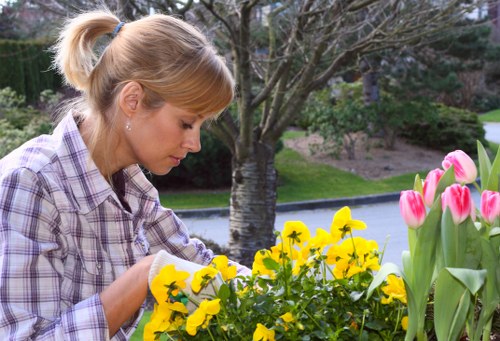
A professional planting service should feel straightforward from the start. The process often begins with a site assessment so the team can understand the conditions in your garden or outdoor area. This is the point where practical details matter: sunlight, shade, soil quality, drainage, existing plants, access routes, and any obstacles such as steps, narrow pathways, or limited vehicle space.
From there, the service can move into design or plant selection. Some customers already know what they want and simply need help with supply and installation. Others would like advice on the best options for a particular look or maintenance level. This might involve choosing evergreen structure, flowering plants for long seasonal interest, or a balanced mix that gives colour, texture, and shape throughout the year.
The process often includes:
- Initial discussion of your goals and the space available
- Assessment of light, soil, drainage, and access
- Plant selection based on style, size, and maintenance needs
- Preparation of beds, borders, or containers
- Careful planting at the correct depth and spacing
- Stabilising, watering, and finishing the area neatly
- Advice on aftercare and early establishment
Planting should not be rushed. The best results come from careful preparation and sensible plant placement. If larger shrubs or trees are being added, support and spacing become especially important. A good planting team will take care to avoid overcrowding, future root conflicts, or awkward positioning that could create problems later.
Planting ideas that work well in Gipsy Hill
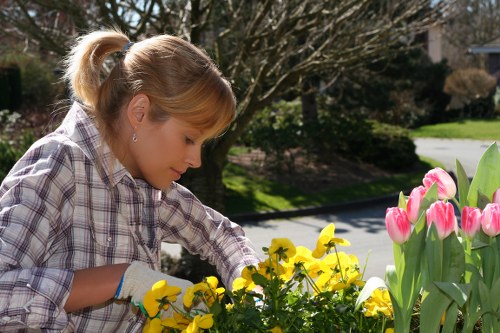
The best planting choices are the ones that suit both the site and the way you want to use it. In Gipsy Hill, customers often want planting that looks good in all seasons, copes well with urban conditions, and does not demand more care than they can reasonably give. That often means choosing a mix of structure, colour, and resilience.
Popular planting directions include:
- Evergreen planting for year-round structure and privacy
- Flowering shrubs for seasonal interest and a fuller look
- Perennials that return each year and build character over time
- Native and wildlife-friendly planting to support local biodiversity
- Shade-tolerant plants for north-facing or enclosed spaces
- Drought-tolerant planting for sunnier, more exposed areas
- Container planting for patios, terraces, and smaller entrances
- Low-maintenance schemes for busy households and commercial sites
A thoughtfully planted garden does not have to be complicated. In many cases, a simple combination of strong evergreen structure, a few well-chosen flowering plants, and good soil improvement will provide a far better result than an overcrowded border filled with mismatched varieties. The key is balance and suitability.
For customers who want more impact, layering planting can be very effective. Taller shrubs or small trees can provide backdrop and privacy, while mid-height perennials and lower edging plants add depth and softness. This approach works especially well in front gardens and boundary areas where visual appeal matters from the street as well as from inside the property.
What is included in a planting service
Customers often want to know what they are actually getting when they book planting services. While each job is different, a proper service should include enough planning and preparation to make the planting successful, not just installed. The quality of the finished result depends heavily on the early work.
Depending on the project, the service may include:
- Site visit and discussion of requirements
- Advice on suitable plants and layouts
- Removal of unwanted plants or dead material
- Soil preparation and improvement where needed
- Plant supply or installation of customer-provided plants
- Precise positioning and planting
- Mulching or finishing touches to help retain moisture and suppress weeds
- Initial watering and establishment advice
Some customers only need a small refresh, such as a few new plants in a border or replacement planting in a front garden. Others need a much larger scheme, perhaps with multiple beds, planters, and screening elements across several parts of the property. Whatever the scale, it helps to use a team that works neatly, communicates clearly, and respects the property during the process.
It is also worth asking how the service handles plant health and timing. Planting at the right time of year can make a big difference, although many plants can be installed successfully with the right care and conditions. The main concern is making sure the plant roots can establish properly and the space is suited to the selected varieties.
Preparation checklist before planting begins
Preparing a site well can make the whole job faster, cleaner, and more successful. Even if the planting team is handling most of the work, a little preparation from the customer can help everything go smoothly. This is especially useful in Gipsy Hill where access may be tight or shared with neighbours, and where parking or unloading needs to be planned in advance.
Helpful preparation steps include:
- Clear access to the garden, border, or planting area
- Move fragile items, pots, and furniture away from the work zone
- Flag any underground features you know about, such as irrigation or lighting
- Let the team know about gates, locked entrances, or shared access arrangements
- Decide whether you want existing plants removed, retained, or relocated
- Think about how much maintenance you want after planting
- Share any style preferences, such as formal, natural, modern, or wildlife-friendly planting
If you are a business customer, it also helps to plan around opening hours, deliveries, and foot traffic. Planting works can usually be arranged to reduce disruption, but the team will need to know the best times to access the frontage or communal area. Good coordination saves time and keeps the area safe and tidy while the work is underway.
For larger or more involved jobs, it can be useful to take photos of the area ahead of time and make a short list of your priorities. That makes it easier to compare options and agree on the most practical approach. Contact us today if you would like to discuss the best way to prepare your space before the planting begins.
Pricing factors for planting work
It is natural to want an idea of cost before booking. Planting services are usually priced according to the amount of work involved rather than on a one-size-fits-all basis. Because every garden and frontage is different, the final quote should reflect the actual needs of the site, the plants selected, and the level of preparation required.
Factors that can affect the price include:
- The size of the area to be planted
- The number and type of plants required
- Whether plants are supplied by the team or by you
- How much soil preparation is needed
- Removal of old planting, roots, or debris
- Access restrictions and time needed to move materials
- Whether the work involves containers, borders, hedging, or larger features
- Any follow-up visits or aftercare requests
A low quote is not always the best value if it does not include proper preparation or the right plant choices. A better approach is to look for a service that explains what is included and why certain decisions are recommended. That way, you can compare options fairly and choose a solution that fits your space and budget.
For customers who are planning several improvements at once, combining planting with other outdoor work can sometimes be more efficient. For example, if beds are being cleared, edges reshaped, or planters installed, it may make sense to complete the planting as part of the same visit. This can save time and create a more cohesive result.
Why choose a local company for planting in Gipsy Hill
A local company brings practical advantages that really matter on site. First, there is familiarity with the type of properties and outdoor areas common in the neighbourhood. Second, a local team is usually better prepared for parking, access, and scheduling realities. Third, if a follow-up visit or seasonal refresh is needed, it is easier to arrange with a team already working nearby.
Local service also tends to be more responsive when customers need tailored advice. Perhaps your garden gets strong afternoon sun, your front border is under a tree, or your business frontage gets heavy foot traffic. These details affect plant choice and layout. A team that regularly works in the area is more likely to suggest options that make sense for the setting rather than offering generic advice.
Benefits of choosing a local planting team include:
- Better understanding of local garden conditions
- More practical planning for access and parking
- Faster and easier scheduling
- Advice that suits local property styles
- A service that feels more personal and accountable
For many people, the biggest benefit is confidence. When you know the team understands local conditions and will work neatly around your property, it is easier to book the job and feel happy with the outcome. If you want planting services in Gipsy Hill that are organised, practical, and suited to real local spaces, a nearby specialist is usually the best place to start.
Areas and property types covered
Planting needs vary across the wider local area, so it helps to work with a team that can cover more than just one type of property. In and around Gipsy Hill, planting services may be requested for private homes, shared residential spaces, managed properties, and commercial premises with different levels of footfall and presentation needs.
Common property types include:
- Terraced houses with front gardens or rear borders
- Flats with shared planting beds or entrance planters
- Semi-detached and detached homes with larger garden schemes
- Rental properties needing low-maintenance improvements
- Shops, offices, and other commercial premises
- Communal and managed outdoor areas
The service area may also include nearby parts of the surrounding neighbourhoods where customers need the same kind of planting support. If you are not sure whether your property is suitable for a visit, it is usually worth enquiring and explaining the layout. Access details and the scope of the work matter more than whether the planting is large or small.
Commercial customers often need planting that performs well visually with minimal disruption, while residents may be more interested in long-term enjoyment and seasonal changes. Both needs can be met, but the planting plan should be shaped around the right priorities from the beginning.
Aftercare and helping new plants establish
The work does not end when the plants go in the ground. New planting needs sensible aftercare to settle in properly, especially during the first weeks and months. This is when the roots start to establish and when watering, mulching, and general attention can make the biggest difference to long-term success.
Good early aftercare often includes:
- Regular watering based on weather and plant type
- Checking that plants remain upright and secure
- Removing weeds that may compete for moisture and nutrients
- Monitoring for signs of stress, especially in hot or windy conditions
- Keeping mulch or finishing material topped up where appropriate
If you are busy or would rather not manage that process yourself, it is helpful to ask about ongoing maintenance options. Some customers only need a one-off planting visit, while others prefer support with seasonal refreshes or periodic check-ins. Either way, aftercare advice should be clear and practical so you know what to do once the work is complete.
Well-established planting can improve with age. Borders become fuller, shrubs settle into shape, and a thoughtful layout starts to knit together the different parts of the garden. That is why proper installation matters so much. When the foundations are right, the planting has every chance to become a lasting feature rather than a short-lived fix.
Frequently asked questions
Can you help if I only need a small planting job?
Yes. Not every project is large. Many customers only need a few new plants, a refreshed border, or replacement planting in a front garden. Smaller jobs can still make a significant difference when they are planned and installed properly.
Do I need to know exactly which plants I want?
No. Some customers already have clear ideas, while others want help choosing the right plants for the space. A good planting service can talk through the options based on sunlight, soil, maintenance level, and the overall look you want.
Can planting work be done in narrow or awkward spaces?
Yes, although access needs to be considered carefully. Many Gipsy Hill properties have tight side passages, limited parking, or shared entrances, and the work can still be completed neatly with proper planning.
What if my soil is poor or compacted?
That is common in many urban gardens. Soil preparation can often improve the conditions before planting, which helps the plants establish more successfully. The exact approach depends on what is already there and what you want to grow.
Can you plant for commercial properties as well as homes?
Yes. Planting services are suitable for residential and commercial customers. Business premises, communal entrances, and managed spaces often benefit from durable, tidy planting that looks good without creating too much upkeep.
When is the best time to book planting?
Different plants and different spaces can be planted at different times, but the right timing can help with establishment and reduce stress on the plants. If you are unsure, it is worth asking for advice based on the planting you have in mind.
Book your planting service now
If your garden, frontage, planter, or commercial outdoor area is ready for a fresh start, professional planting can make a noticeable difference quickly and effectively. A well-planned service gives you better plant choice, cleaner installation, and a result that feels suited to the property rather than forced into it.
Whether you want a subtle refresh or a more noticeable transformation, planting services in Gipsy Hill can help you create a space that looks cared for and works better for everyday use. From initial advice to the finished planting and aftercare guidance, the aim is to make the process simple, reliable, and tailored to your needs.
Request a free quote, discuss your planting ideas, or book your service now to take the next step toward a better outdoor space. If you are ready to improve your garden or property frontage, contact us today and let’s plan a planting solution that suits your space in Gipsy Hill.

